Frequently Asked Questions
Common Questions
Forestry mulching and land clearing involve the removal of unwanted brush, trees, and vegetation from a property. Specialized machinery is utilized to cut, grind, and clear the land, leaving behind a layer of mulched material that assists with ground coverage and prepares the area for future development projects.
Mobile home land prep typically includes grading, clearing debris, and leveling the designated area to establish a stable foundation. This process ensures the site meets the necessary specifications and is ready for utility hookups and the placement of the home structure.
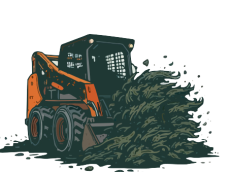
Skid steer services are versatile and can be used for a variety of tasks such as earthmoving, debris removal, light excavation, and material handling. The equipment can be fitted with different attachments to address specific site preparation requirements and property maintenance needs.
When planning pasture fencing, it is important to consider the overall perimeter size, the terrain of the property, and the specific functional requirements of the boundary. Proper planning helps determine the materials and layout needed to define property lines and manage land use effectively.
The frequency of driveway maintenance depends on usage levels, weather conditions, and the existing grade. Regular grading, leveling, and resurfacing with fresh gravel can help manage runoff, smooth out depressions, and maintain a functional driving surface over time.
FORESTRY MULCHING
Forestry mulching equipment can handle a wide variety of plant material, including small trees, dense underbrush, vines, and invasive woody species commonly found on regional properties.
The duration of a project depends on several factors, including the density of the vegetation, the size of the acreage, and the terrain of the specific site.
The processed material is left on the ground as a layer of mulch, which naturally decomposes over time and integrates back into the soil structure.
Yes, the specialized machinery used for this service is designed to operate on various types of topography, including moderate slopes and uneven ground.
Generally, a preliminary assessment is conducted to identify any large obstacles or specific features on the property, but minimal preparation is needed from the landowner.
LAND CLEARING
Land clearing is the process of removing trees, brush, stumps, and other obstacles from an area of land to prepare it for development, agriculture, or landscaping projects.
The duration of a project depends on several factors, including the size of the acreage, the density of the vegetation, and the specific terrain. A professional assessment can provide an estimated timeframe.
Depending on the scope of the project, various types of machinery may be utilized, such as excavators, bulldozers, skid steers, mulchers, and stump grinders.
Yes, selective clearing is common. Property owners can identify specific trees or natural features they wish to preserve, and the clearing process can be adjusted to work around those elements.
Cleared material can be managed in several ways, including on-site mulching, hauling it away, or piling it, depending on the preferences of the owner and the requirements of the project.
Mobile Home Land Prep
Mobile home land prep typically involves clearing vegetation, grading the soil for proper drainage, compacting the ground, and ensuring there is clear access for delivery vehicles to position the home.
Professional grading ensures that water flows away from the structure rather than pooling underneath it, which helps prevent shifting, soil erosion, and moisture issues over time.
The timeframe varies depending on the initial condition of the property, the size of the site, and the specific terrain challenges. Most projects can be completed within a few days once work begins.
Our team handles the heavy clearing, including brush, trees, and obstacles. However, removing personal property or movable items from the designated work area beforehand can help expedite the process.
Yes, sloping sites can be prepared by executing proper excavation, cut-and-fill grading techniques, and establishing retaining structures or specialized drainage paths to create a level pad.
Skid Steer Services
Skid steers are highly versatile machines suitable for a wide range of projects, including minor grading, excavation, material transport, site cleanup, and brush clearing.
It is generally helpful to clear the work area of any personal items, identify underground utility lines, and ensure there is a clear path of access for the machinery to enter and exit.
Yes, one of the primary advantages of a skid steer is its compact size and zero-radius turning capability, which allows it to navigate tight spaces and narrow passages effectively.
Skid steers can be outfitted with numerous attachments, including buckets, forks, augers, brush cutters, and graders, depending on the specific tasks required for the project.
The duration of a project depends entirely on the scope of work, site conditions, weather, and the volume of material being moved or processed.
Pasture Fencing
Key considerations include the total acreage, the specific layout of the land, local terrain variations, and the primary purpose of the enclosure, such as boundary definition or land management.
The duration of the installation process depends on several factors, including the overall length of the fence, the complexity of the terrain, soil conditions, and the specific materials chosen for the project.
Common options include wood posts, pressure-treated rails, woven wire, high-tensile wire, and synthetic materials, each offering different aesthetics, durability levels, and maintenance needs.
Tension is maintained by utilizing proper bracing techniques at corners and ends, along with specialized tensioning accessories that can be adjusted periodically as the materials age.
Yes, professional installation allows for custom adjustments to accommodate slopes, dips, and uneven ground, ensuring the fence line remains consistent and functional across the entire property.
Driveway Maintenance
The frequency of maintenance depends on usage levels, weather conditions, and the type of materials used on your driveway. Generally, a periodic check-up once or twice a year is recommended.
The process usually includes assessing the surface, leveling uneven areas, addressing minor drainage concerns, and redistributing top materials to ensure a smooth, uniform surface.
Yes, proper grading and surface contouring during regular maintenance can help redirect water runoff away from the driveway, which helps prevent erosion and pooling.
Gravel driveways require periodic grading and material redistribution to manage shifting stones and potholes, whereas solid surfaces often focus on sealcoating and crack filling.
The duration of the service varies based on the size of the driveway and the level of attention required, but most standard residential maintenance visits are completed within a single day.